
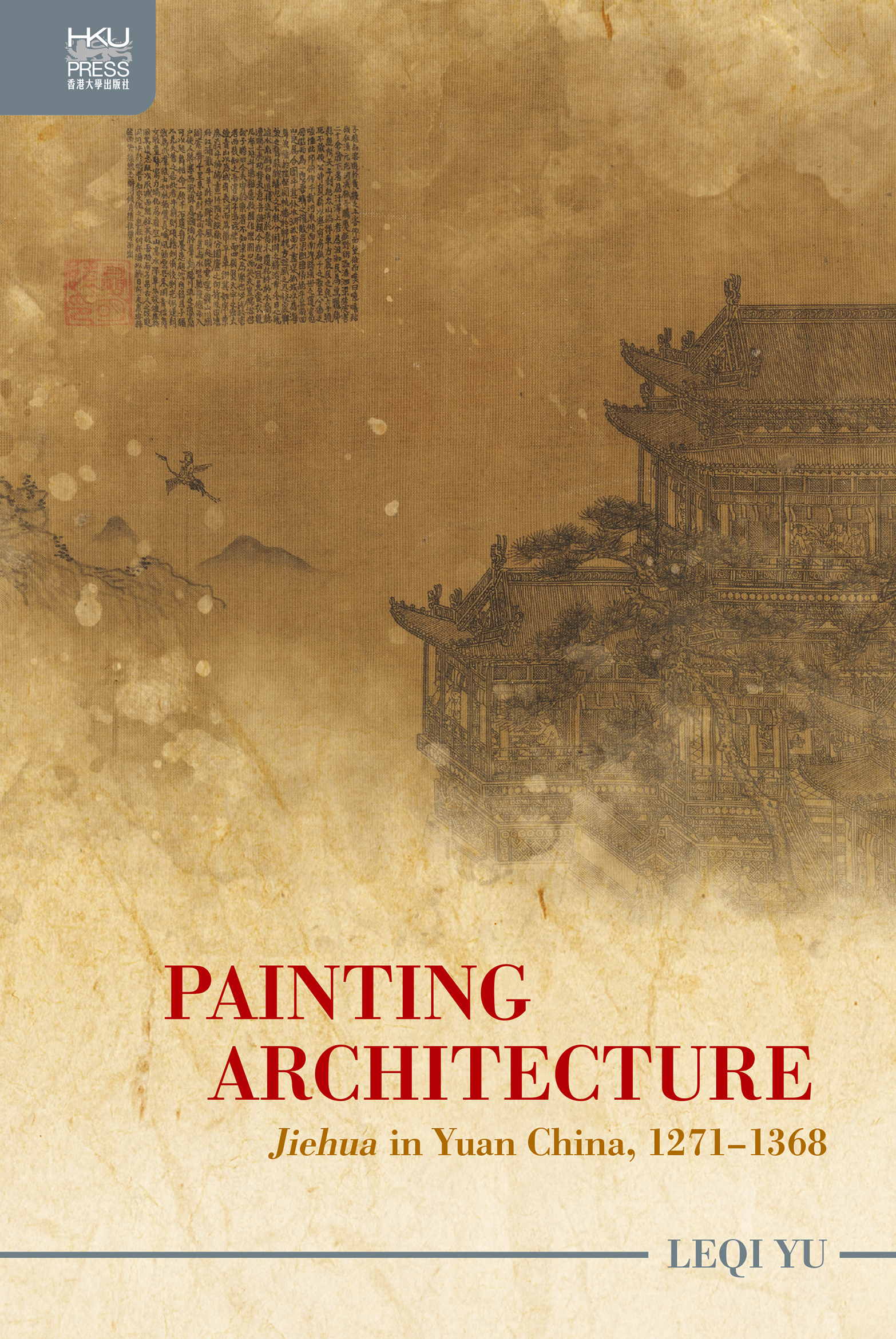
In Painting Architecture: Jiehua in Yuan China, 1271–1368, Leqi Yu has conducted comprehensive research on jiehua or ruled-line painting, a unique painting genre in fourteenth-century China. This genre relies on tools such as rulers to represent architectural details and structures accurately. Such technical consideration and mechanical perfection linked this painting category with the builder’s art, which led to Chinese elites’ belittlement and won Mongol patrons’ admiration. Yu suggests that painters in the Yuan dynasty made new efforts towards a unique modular system and an unsurpassable plain-drawing tradition. She argues that these two strategies made architectural paintings in the Yuan dynasty entirely different from their predecessors, as well as making the art form extremely difficult for subsequent painters to imitate.
插圖:
許多
關鍵字詞: ruled-line painting | Yuan Dynasty | Chinese architecture | Chinese history